GridteamAI Insight · Links to Gap 14 · Direct from source.
Correction, 16 October 2026. The first version of this piece referred to a "Heat Network Zoning Act 2024" and said cities had designated the first zones. There is no such Act, and as of October 2026 no zone has yet been designated in law. The piece has been rewritten against the government's own pages. We are sorry for the error.
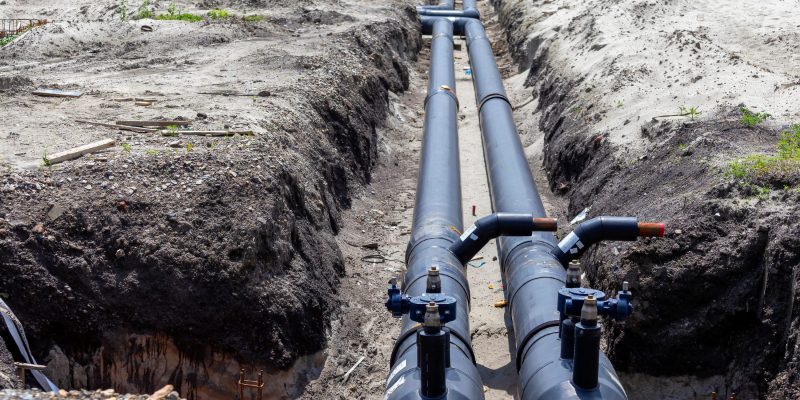
Zoning is the government's plan to make district heating, where one central plant pipes hot water to many buildings, the normal way to keep warm in the busiest parts of English cities. Inside a zone, some buildings can be required to join the local heat network instead of fitting their own boilers or heat pumps. The powers to do this are in the Energy Act 2023, but the working detail has to come in regulations, and those had not been laid before Parliament when we corrected this piece in October 2026.
On 21 January 2026, answering a consultation it ran in 2023, the government said a national zoning authority, housed at first in the Department for Energy Security and Net Zero and later in the new Warm Homes Agency, will draw outline zones, and a local zone coordination body, usually led by the council, will then refine each boundary and consult on it for at least six weeks. The buildings that may be asked to connect are new buildings given planning permission after a zone is designated, existing buildings already on communal heating, and existing offices, shops and other non-domestic buildings that use more than 100 megawatt-hours (MWh) of heat a year through hot-water radiators. Some exemptions will apply, and a building can only be told to connect if the zone's developer asks for it and can deliver the connection on time. Because the Energy Act 2023 does not let developers charge a connection fee, the government expects few such notices at first.
In January the government expected to lay the regulations in spring 2026. The approach was tested with 28 pilot areas across England, and as of October 2026 some of them are being taken forward as the first zones ahead of the law, while the government has promised to help at least ten of the biggest English towns and cities set up zones soon after the regulations come into force.
If you build in a likely zone, the heating design may be decided for you, so a building made ready for a heat network, with hot-water radiators and space for a connection, saves an expensive refit later. Councils can start now, since the 28 pilot areas have already tested how zones would work. Running a zone will need staff, funding and a way to hire the company that builds the network. Heat suppliers already answer to Ofgem, the energy regulator, which took on heat networks on 27 January 2026, and operators of existing networks must register with it by 26 January 2027.
GridteamAI covers cleaner heating in two reports. Gap 14 is our report on UK heat networks, and Gap 46 sets out four possible routes for heating homes and the slow move away from the gas grid.
Sources: gov.uk, Heat network zoning collection · Government response to the 2023 consultation, 21 January 2026 · South West Net Zero Hub, zoning update, 22 July 2026.
Useful? Tell us 👍
GridteamAI. Source-led infrastructure intelligence for the UK and Ireland.